Top Hidden Gems and Nature Escapes Across Barbados
Top Hidden Gems and Nature Escapes Across Barbados
Barbados changes character once you leave the resort strip behind. The central highlands fold into limestone gullies, the Atlantic coast throws spray over coral rock, and narrow country roads lead towards old churches, gardens and viewpoints where the pace feels slower. This is the side of Barbados I recommend to travellers who have already ticked off the obvious beaches and fancy seeing where the landscape gets properly wild.
Harrison’s Cave Eco-Adventure Park makes a useful starting point because it sits close to several of these inland escapes. The cave itself belongs to the island’s limestone story, with water still shaping chambers below ground, while the surrounding St. Thomas countryside shows the limestone gullies around the cavern. From here, a rental car can take you towards Welchman Hall, Bathsheba and the eastern hills without turning the day into a marathon of resort transfers.
Welchman Hall Gully: The Green World Above Harrison’s Cave
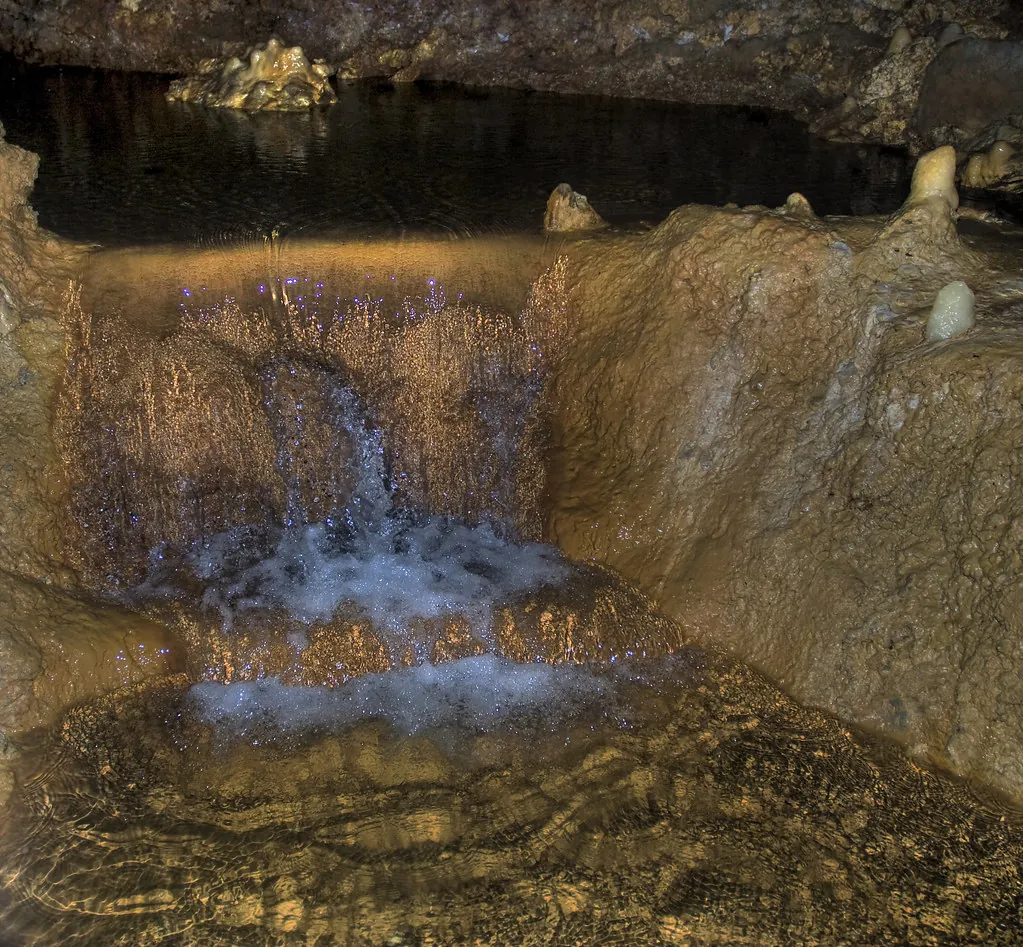
Welchman Hall Gully is one of the easiest nature escapes to pair with Harrison’s Cave, and the geological connection makes the two stops easy to pair. The gully was formed from collapsed cave roofs, so the shaded path winds through a landscape that hints at what lies beneath your feet. Stalactites and stalagmites can still be seen in places, while tropical vegetation crowds the sides of the trail.
The Barbados National Trust describes the site as home to wild green monkeys, rainforest trees and native plants. Check current visitor information before setting out, as access details can change. The Trust also notes that some natural sites around Barbados have rugged access, so take care if you leave marked paths or explore farther afield. Plan your Harrison’s Cave transport before setting off, particularly if your day includes several inland stops.
Give the monkeys their space. They are wild animals, and the National Trust asks visitors not to feed them by hand or leave out their own food.
Morning is my favourite time here. The air is cooler under the canopy, shafts of light reach between the trees, and you can spend an hour photographing roots, leaves and the pale limestone walls without feeling as though you are racing the clock. A phone works well for the wider views, but a small camera with a fast lens is handy when the light drops beneath the canopy.
Andromeda Botanic Gardens and the Atlantic Edge
Head east from the interior and the landscape changes dramatically. Andromeda Botanic Gardens sits near Bathsheba on the Atlantic side of the island, where the gardens occupy eight acres close to the ocean. The Barbados National Trust lists more than 500 plant species here, with cultivated areas threaded through a setting that feels closely tied to the surrounding east-coast landscape.
This is a strong stop for travellers who want nature without committing to a strenuous hike. Paths lead through planted gardens and viewpoints, while the nearby Atlantic gives you the enormous skies and restless surf that define this side of Barbados. Bring a lens for close plant photography, then switch to a wider angle when the coast opens out.
Visitor arrangements at Andromeda can change, so check the official Barbados National Trust information before driving over rather than relying on an old guidebook.
Bathsheba and the Soup Bowl: Atlantic Barbados in Full Force
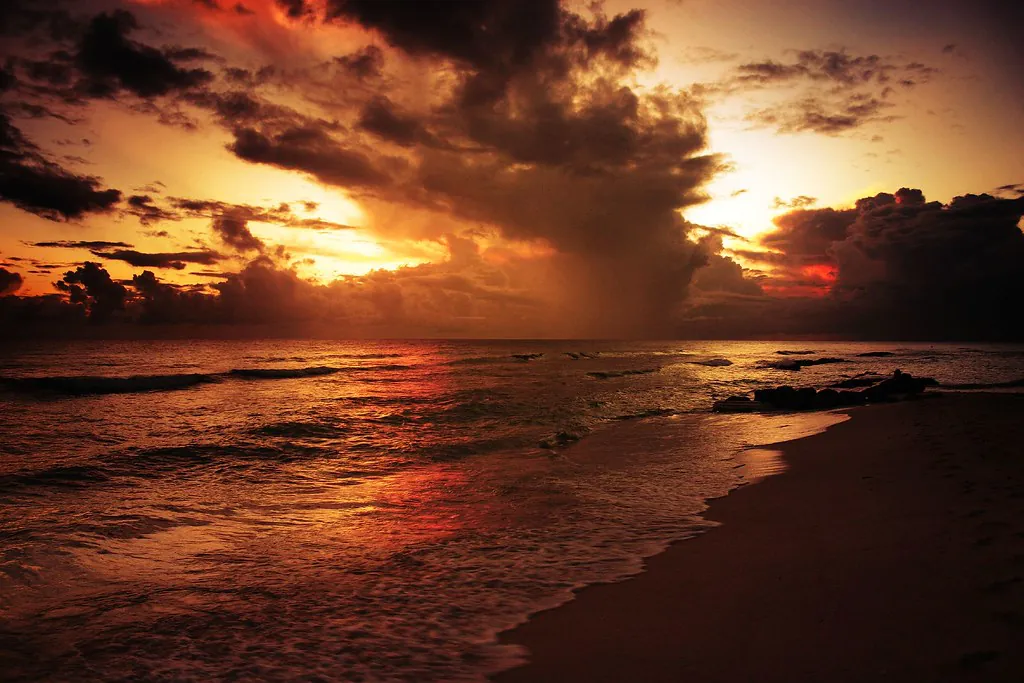
Bathsheba is where the east coast stops pretending to be a Caribbean postcard and shows you its Atlantic side. The famous Soup Bowl sits among a stretch of coastline shaped by surf, coral rock and strong weather, and Barbados Tourism identifies the area as a major board-surfing location. Even if you have no intention of getting on a board, the scenery deserves time.
Photographers should arrive with patience. Early light can pick out the texture of the rocks, while late afternoon gives the coastline a warmer edge. Keep well back from breaking waves and avoid climbing onto wet rock shelves just for a photograph. Atlantic swell can look deceptively manageable from shore.
Bathsheba also makes a good place to pause for lunch before continuing north or inland. Local cafés and rum shops are part of everyday life here, so keep the pace relaxed. A friendly greeting and a bit of patience go a long way, especially when a small shop is serving locals as well as visitors.
St. John’s Church and the Highland View
For one of the island’s most atmospheric highland viewpoints, head towards St. John’s Church. The church sits on elevated ground overlooking the eastern landscape, and the view reaches across rolling countryside towards the Atlantic. It is the sort of place where the camera can stay in the bag for a few minutes while you simply take in the scale of the island.
The site also belongs to Barbados’s religious and architectural heritage, which makes it a useful counterpoint to the caves and gardens. Dress respectfully when entering a church or visiting during a service, keep voices low and avoid photographing worshippers without permission. Barbados is friendly to visitors, but courtesy matters more than getting the perfect holiday snap.
Farley Hill: A Viewpoint With a Story
Farley Hill National Park sits in St. Peter, farther north than the central Harrison’s Cave area, and makes sense as part of a longer island drive. The property was once home to a grand mansion associated with Sir Graham Briggs and visiting royalty. The house was destroyed by fire in 1965, while the remaining ruins now sit within a national park with broad views across the surrounding landscape.
The Barbados Tourism Marketing Inc. listing gives current opening hours as 8:30am to 5:30pm daily. The park is particularly useful when you want somewhere to stop, stretch your legs and photograph the landscape without committing to a long trail. Pack water and keep an eye on the heat, especially if you are travelling during the brighter part of the day.
Country Churches, Plantation Roads and Quiet Barbados
Some of the best discoveries on a Barbados road trip are the places that never appear in a glossy itinerary. Parish churches, old stone walls, sugar estates and narrow roads through cane fields can turn a ten-minute drive into a small history lesson. Barbados Tourism’s heritage guidance points visitors towards religious buildings, plantation sites and historic estates alongside its natural landmarks, which is a useful reminder that the island’s landscape and human history are tightly connected.
Take your time on these roads. Barbados drives on the left, lanes can narrow suddenly, and a bend that looks harmless on a map can feel rather different behind the wheel. Give local traffic room, slow down before blind corners and avoid stopping in the middle of a road because a particularly photogenic tree has caught your eye. Pull somewhere safe instead.
- Use a proper navigation app before leaving the main roads, because small lanes can be confusing.
- Keep some cash available for small cafés, rum shops and informal roadside stops.
- Do not assume an attractive private lane is open to visitors.
- Ask before photographing people, homes or religious ceremonies.
- Wear shoes with a decent grip when exploring gullies or uneven viewpoints.
- Leave plants, rocks and historic features where you find them.
Harrison’s Cave as the Centre of an Inland Nature Day
If your main reason for coming inland is Harrison Cave Barbados, resist the temptation to treat the cave as an isolated attraction. The surrounding landscape makes a much richer day when you connect the underground experience with the gullies, gardens and high ground above it. Harrison’s Cave itself takes you into a water-shaped limestone environment; Welchman Hall Gully lets you walk through the collapsed landscape nearby, and the road towards Bathsheba carries you into a completely different Atlantic setting.
The best Barbados road trips happen when the map leaves room for a few unplanned turns.
The park also works for travellers with different energy levels. Someone who wants the signature electric tram experience can stay comfortably underground, while a more adventurous member of the group can look towards the park’s aerial and outdoor activities. See the cave tours, ziplines and eco-adventures before booking so you can match the day to your group rather than squeezing every attraction into one afternoon.
When to Visit These Barbados Nature Escapes
Weather changes the feel of these places more than it changes the possibility of visiting them. A humid morning can make the gullies feel wonderfully cool, while the east coast can become dramatically windy beneath passing showers. Check the forecast before setting off, particularly if your plan includes photography at exposed viewpoints.
For photographers
Start with the gullies in softer morning light, then move towards the coast as the day develops. Carry a lens cloth because Atlantic spray has a habit of finding everything.
For independent drivers
Build fewer stops into the day than you think you need. Barbados looks compact on a map, but narrow roads, viewpoints and spontaneous lunch stops can stretch the timetable.
A Sensible Day-Trip Route
A practical loop from the central highlands can begin at Harrison’s Cave, continue to Welchman Hall Gully, then run east towards Bathsheba and Andromeda. If you still have daylight and energy, continue north towards Farley Hill, or turn inland for a quieter drive through the parish roads. This route gives you a proper mix of underground geology, tropical vegetation, Atlantic scenery and Barbadian heritage without spending the whole day trapped in a vehicle.
- Morning: Harrison’s Cave and the surrounding central highlands.
- Late morning: Welchman Hall Gully for a shaded nature walk.
- Lunch: Continue towards Bathsheba and eat locally.
- Afternoon: Andromeda Botanic Gardens or the Bathsheba coastline.
- Late afternoon: St. John’s Church or Farley Hill, depending on your route.
Allow extra time if you are driving after heavy rain. Water, livestock and slower traffic can change the character of country roads, and there is little prize for arriving at the next stop twenty minutes early with everyone feeling rushed.
Practical Etiquette for Exploring Beyond the Resorts
Independent exploration works best when you remember that much of the island is lived-in countryside rather than an open-air theme park. Some natural heritage sites have private or government-owned access points without a public right of way, and the Barbados National Trust specifically advises visitors to seek permission where access is uncertain. That matters on remote trails and old estate roads, where a friendly-looking gate does not automatically mean you can walk through it.
Keep noise down near homes and churches, buy something when you stop at a small local business, and give residents the same privacy you would expect around your own home. Teh best photographs often come from waiting rather than getting closer, especially around wildlife and coastal cliffs.
A Bajan welcome is warm, but the countryside still belongs to the people who live there. Ask when access is unclear, leave gates as you find them and take your rubbish with you.
Useful Official Resources Before You Set Off
For current attraction information, start with Visit Barbados, the official tourism resource. Its nature and trails information covers places such as Harrison’s Cave, Welchman Hall Gully, the east coast and other outdoor areas. The Barbados National Trust is particularly useful for heritage properties and natural sites, including Welchman Hall Gully and Andromeda Botanic Gardens.
For Farley Hill and other nationally recognised attractions, check the current listings through Visit Barbados landmarks and monuments. Conditions, opening hours and admission arrangements can change, so checking the official source shortly before your trip is far more reliable than copying details from an old forum post.
Plan the Harrison’s Cave Part of Your Trip
The wider island deserves your attention, but Harrison’s Cave Eco-Adventure Park remains a natural anchor for an inland day. If you are travelling independently, sort out your transport before leaving the coast, wear sensible shoes and leave enough breathing room between scheduled activities. Read the Harrison’s Cave transport guide for the practical journey details, including approaches through the central highlands.
If you have already decided on the cave, compare the available options through Harrison’s Cave tickets and tours. Travellers who want more than the tram experience can also read the dedicated cave and eco-adventure guide, while photographers should keep the cavern photo guide handy before bringing camera equipment underground.
Barbados rewards curiosity away from the hotel pool. Follow the limestone inland, then let the road carry you towards the Atlantic, where the scenery gets rougher, the villages quieter and the island’s character much easier to feel.
Anchor Your Inland Barbados Day Trip
Pair Harrison’s Cave with Welchman Hall Gully, Hunte’s Gardens, or the Atlantic coast. Check tickets and transport options to plan your route.